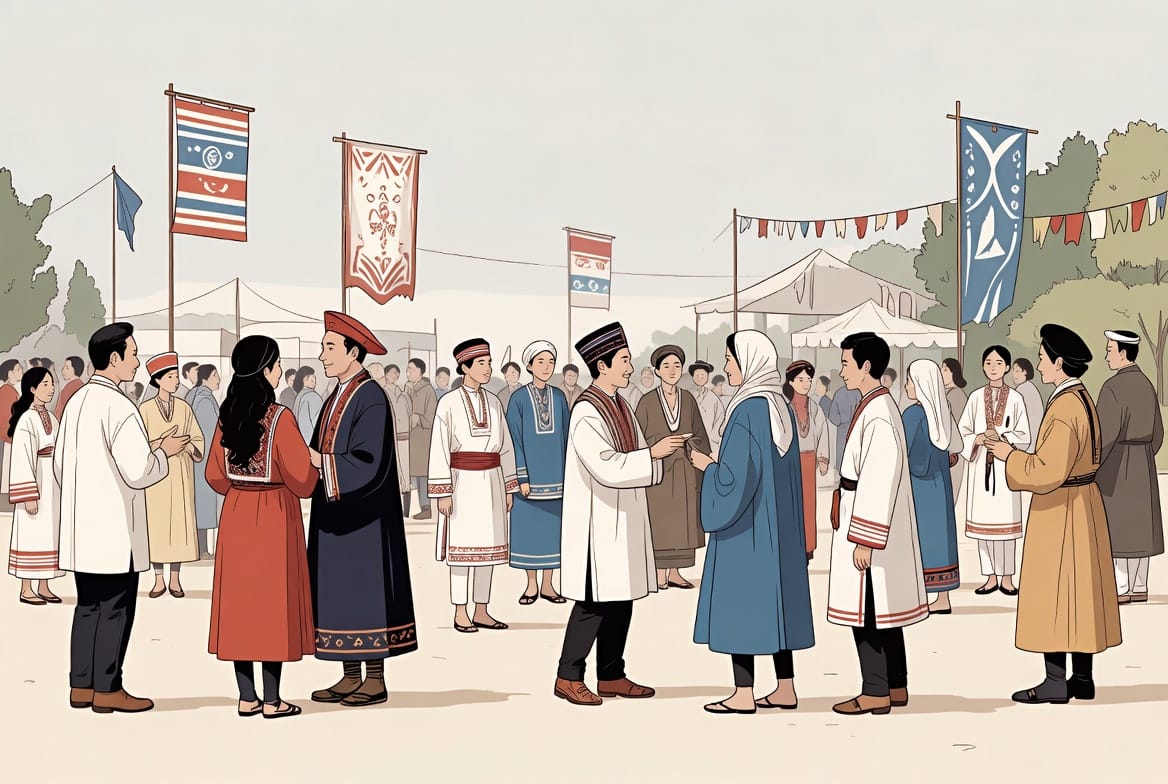
Cultural festivals continue to shape how societies understand identity, history, and shared values. At a time when global audiences are searching for meaningful cultural experiences, understanding why cultural festivals matter has never been more important. These gatherings create a space where traditions meet contemporary realities, where people connect without barriers, and where collective wellbeing receives new attention. For readers exploring how culture influences today’s global communities, festivals offer more than celebration—they offer context, understanding, and continuity.
Exploring cultural festivals helps audiences in the US, UK, Europe, and beyond understand how local traditions represent global human experiences. While each event carries its own regional character, the reasons behind their importance remain universal.
Cultural festivals influence several areas: intergenerational learning, cultural preservation, emotional wellness, tourism development, economic participation, and community-building. They help bridge gaps between global audiences and local traditions, especially when communities attempt to maintain cultural identity in fast-changing environments.
Understanding the Core Meaning of Cultural Festivals
Cultural festivals are structured events that highlight a community’s shared heritage. They include practices connected to history, language, art, food, music, and rituals. These gatherings do not simply reflect nostalgia. Instead, they support sustainable cultural continuity by giving people a physical and emotional space to gather around shared values.
In many societies, festivals operate as cultural anchors. Even when communities migrate, the annual rhythm of festivals maintains familiarity. For younger generations, these gatherings serve as a reminder of identity and belonging. For global audiences, festivals offer an accessible way to engage with another society’s heritage without misunderstanding or misrepresentation.
Across regions, festivals differ in scale—ranging from small community events to nationwide celebrations. However, they share a common purpose: preserving cultural narratives in approachable and meaningful ways.
Did You Know?
Many UNESCO-recognized cultural traditions are preserved mainly through festivals and community gatherings, not formal institutions. This includes oral literature, performing arts, and traditional craftsmanship.
Historical Role of Cultural Festivals
Studying why cultural festivals matter also requires observing their historical evolution. Long before modern states emerged, festivals were essential to social cohesion. Communities built their calendars around agricultural cycles, religious events, or significant historical milestones. These traditions later transformed into the festivals we recognize today.
Historical evidence suggests that festivals were often linked to survival. Harvest events ensured coordinated community labor. Spring festivities symbolized renewal after difficult winters. Religious festivals aligned communities under shared beliefs.
These gatherings eventually shaped the social order. They provided opportunities to settle disputes, celebrate achievements, and discuss communal issues. Their role in social dialogue continues today, even if their form has changed.
As festivals modernized, they absorbed contemporary elements, ranging from global music influences to modern wellness activities. Yet, the central purpose—community and continuity—remains unchanged.
Cultural Festivals and Community Identity
Modern audiences often seek authentic experiences that offer a clearer view of cultural identity. Festivals provide this transparency. They allow communities to showcase traditions without oversimplifying or commercializing their heritage. A well-organized cultural festival reflects accurate representation, community involvement, and cross-generational understanding.
Identity is not static. As societies evolve, festivals adapt to maintain relevance. However, they do so while respecting historical authenticity. This balance strengthens cultural literacy among local communities and global visitors.
Festivals also support cultural confidence. Communities often feel pride when presenting their heritage to global audiences. This sense of value helps maintain a strong cultural identity, especially in regions where traditions risk fading due to urbanization or migration.
Quick History
In South Asia, many well-known festivals trace their origins back centuries. Events such as Basant, Nowruz, and various Sufi Urs celebrations evolved from early social gatherings connected to seasonal cycles, poetry, and spiritual traditions.
How Cultural Festivals Strengthen Wellbeing and Wellness
Cultural festivals matter not only for heritage but also for wellbeing and culture. Modern wellness discussions often overlook the impact of communal participation. Festivals contribute to emotional and social wellness in several ways:
1. Reducing Isolation
Large gatherings help participants break the cycle of loneliness, an issue widely recognized in Western societies. Festivals encourage meaningful interaction in comfortable, welcoming environments.
2. Encouraging Balance
Many festivals integrate spiritual practices, meditation, or mindful activities. Some incorporate traditional healing methods, herbal wellness rituals, or breathing practices rooted in cultural traditions.
3. Strengthening Mental Wellness
Participating in cultural traditions boosts emotional resilience. People often describe a sense of grounding, belonging, and clarity after attending cultural gatherings.
4. Supporting Family and Intergenerational Wellness
Families reconnect through shared traditions. For communities living abroad, festivals provide an essential opportunity to educate younger generations about their heritage.
5. Encouraging Slow, Reflective Living
Cultural festivals often disrupt busy schedules and encourage participants to slow down. This shift enables more mindful participation in cultural activities.
External link reference: World Health Organization – Community Wellbeing and Social Participation
Cultural Festivals and Global Understanding
One of the strongest reasons why cultural festivals matter is their ability to promote international understanding. When global audiences engage with authentic cultural experiences, misconceptions reduce significantly. Festivals demonstrate that cultures can share similarities while maintaining unique identity.
Visitors from the US or Europe often attend South Asian, Middle Eastern, or African festivals to experience new forms of music, storytelling, or traditional craftsmanship. Such interactions encourage respect, curiosity, and responsible cultural appreciation.
To support ethical cultural understanding, organizers must provide accurate context. This includes explaining historical origins, symbolic meanings, and the community perspectives behind each practice.
Economic and Tourism Contributions
Cultural festivals play a measurable role in tourism development. Several international studies highlight a direct connection between heritage events and economic growth. Local businesses often rely on seasonal festivals for increased revenue. Artisans, performers, and craftsmen find new audiences through these events.
Many festivals become tourism identities themselves. Examples include:
- Loi Krathong in Thailand
- Day of the Dead in Mexico
- Cherry Blossom Festivals in Japan
- Sufi festivals in Pakistan
These events attract international tourists who seek immersive cultural encounters. For countries investing in cultural tourism, festivals can serve as anchor events that generate long-term visibility.
External link: UNESCO Cultural Heritage and Sustainable Tourism
Did You Know?
Some countries receive over 20–30% of their annual tourism revenue from a single festival season.
Cultural Festivals in Pakistan: A Global Perspective
For international readers, Pakistan’s cultural landscape offers a range of festivals defined by diversity, history, and creativity. These events celebrate music, literature, spirituality, and regional craftsmanship. While each festival reflects local realities, they contribute to global cultural conversations.These include
- Lok Virsa Festival (representing national craftsmanship)
- Shandur Polo Festival (highlighting unique regional heritage)
- Urs of Data Ganj Bakhsh and Lal Shahbaz Qalandar (spiritual gatherings)
- Sibi Mela (regional livestock and cultural exhibition)
These festivals demonstrate how cultural heritage operates beyond tourism. They embody community resilience, historical preservation, and cultural continuity.
External link: Pakistan Tourism Development Corporation
Challenges Facing Cultural Festivals Today
Even though cultural festivals matter, they face several modern challenges. Urbanization often limits traditional venues. Commercialization sometimes overshadows cultural purpose. Political or economic disruptions may reduce community participation. Globalization also risks diluting authenticity when festivals are modified excessively for foreign audiences.
Organizers must balance modernization with preservation. Maintaining authenticity requires community leadership, responsible documentation, and transparent storytelling. When festivals lose meaning, they also lose their cultural power.
Why Cultural Festivals Will Remain Relevant
Despite changing global priorities, cultural festivals remain essential for several reasons:
- They support cultural preservation.
- They promote emotional and social wellness.
- They maintain intergenerational knowledge.
- They encourage intercultural understanding.
- They strengthen cultural confidence.
- They support tourism and local economies.
More importantly, cultural festivals give societies continuity. They remind communities of their shared values and allow individuals to understand where they come from.
Understanding why cultural festivals matter allows global audiences to view culture beyond surface-level celebration. These events represent a strategic combination of heritage, wellness, community engagement, and continuity. For societies interested in preserving identity while encouraging global transparency, festivals remain one of the most effective tools.
They maintain historical presence, support emotional wellness, and create cultural spaces where everyone can participate. As global cultural interest continues to grow, festivals will continue contributing meaningfully to education, understanding, and global dialogue.